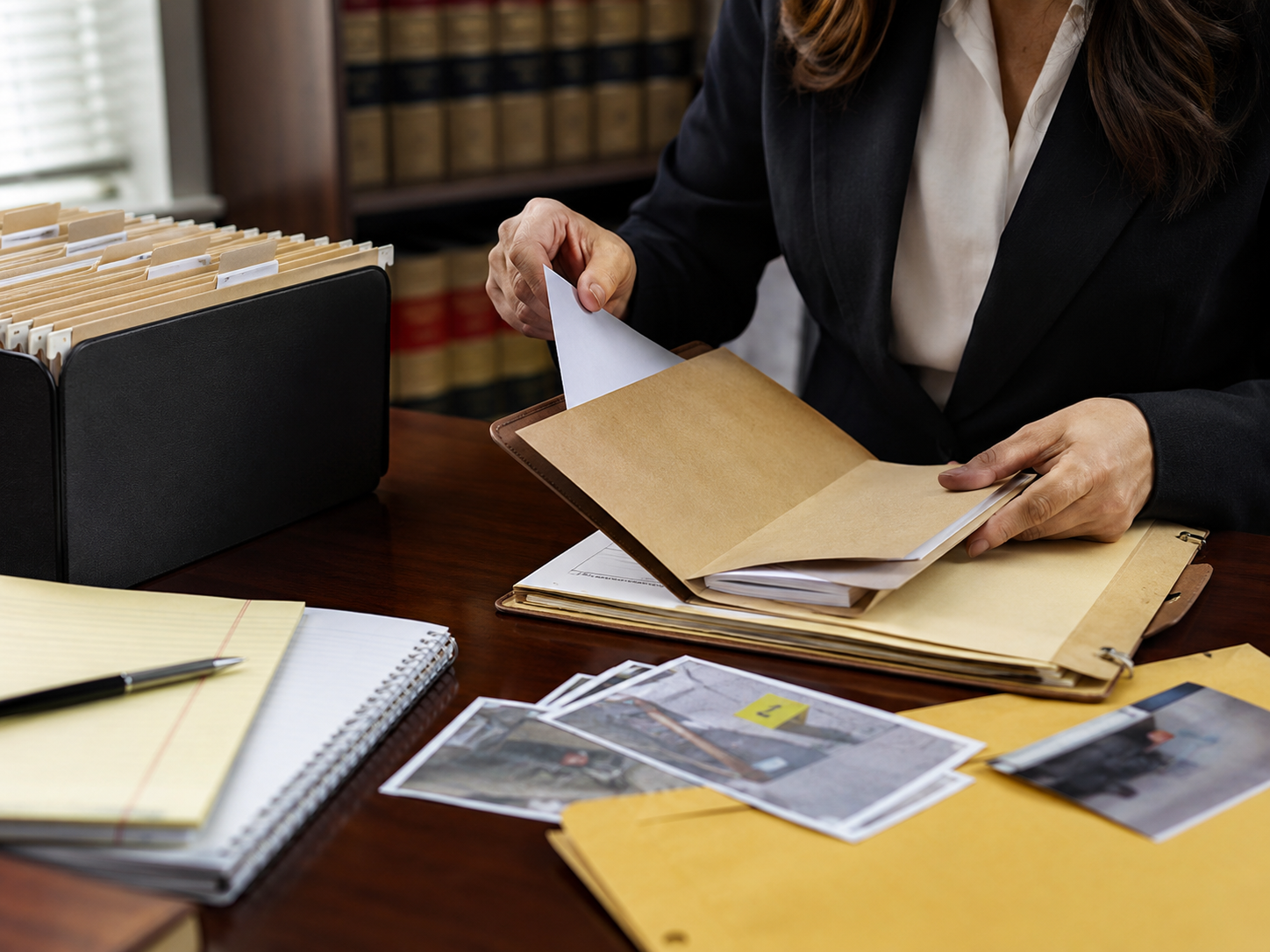
A stack of documents becomes easier to review when you identify the pages most likely to matter. You do not need to interpret the law on your own. You only need to flag the parts that deserve quicker attention during the first review.
Start with the basics
Look for names, dates, signatures, dollar amounts, and deadlines. On contracts, that may include payment terms, cancellation language, notice clauses, and dispute-resolution sections. On letters or claim documents, it may include response deadlines, allegations, or settlement amounts. On court papers, it may include hearing dates, case numbers, and instructions for responding.
Mark what seems disputed
If a statement in a document seems inaccurate, highlight it and write a short note explaining why. If a bill looks inconsistent with what you expected, mark the amount and bring supporting records. If an email contains a key admission or an important change in position, note that too. The lawyer will evaluate legal significance, but your notes help direct attention efficiently.
Keep your notes separate from originals when possible
Some people like to write directly on papers. Others prefer sticky notes or a summary sheet. Either method can work, but try to preserve a clean copy of the original record whenever possible. A separate note sheet can list page numbers and short comments such as “page 3: cancellation clause,” “page 5: fee dispute,” or “email dated July 2 contains deadline.”
Review the review list
Before the meeting, prepare a simple checklist of what you most want the lawyer to look at first. That may include a contract paragraph, a settlement letter, a denial notice, a bundle of photographs, or the sequence of communications with the other side. Prioritization helps the first meeting move faster.
- Flag pages with deadlines or penalties
- Identify missing attachments or referenced exhibits
- Mark inconsistent statements or unexplained charges
- Note which records came from you and which came from the other side
Strong preparation does not require legal conclusions. It requires a clear map of the material you want reviewed first. That simple step often turns a general conversation into a more concrete strategy discussion.